A closer look at cell biology
Stem cells are unspecialized cells that can make more stem cells and become specialized cells. Mesenchymal stem cells, or MSCs, are one widely studied type, found in tissues including umbilical cord.

The following is general scientific background on mesenchymal stem cells. It is educational information about cell biology and is not a description of results from any therapy offered by BioRenew.
Stem cells are unspecialized cells that can make more stem cells and become specialized cells. Mesenchymal stem cells, or MSCs, are one widely studied type, found in tissues including umbilical cord.

Stem cells contain natural, human growth factors and cytokines. These molecules have been shown to bind and interact with target cell receptors in the body. When growth factors and cytokines bind cell receptors, a signaling pathway is activated, which turns on the body’s own regenerative healing and repair mechanisms.
Reduce swelling, stiffness and pain.
Clearing cellular debris; prevent and reduce scar tissue.
Forming new vasculature (angiogenesis) to deliver additional beneficial factors to the area.
Supporting cellular growth and division — wound healing, cell migration, repair and regeneration.
We use umbilical cord blood cells from screened, healthy mothers.
Not expanded, cultured, grown or manipulated — and not from bone marrow, fat, Wharton’s jelly or any other source.
Born with purpose. Prepared with precision.
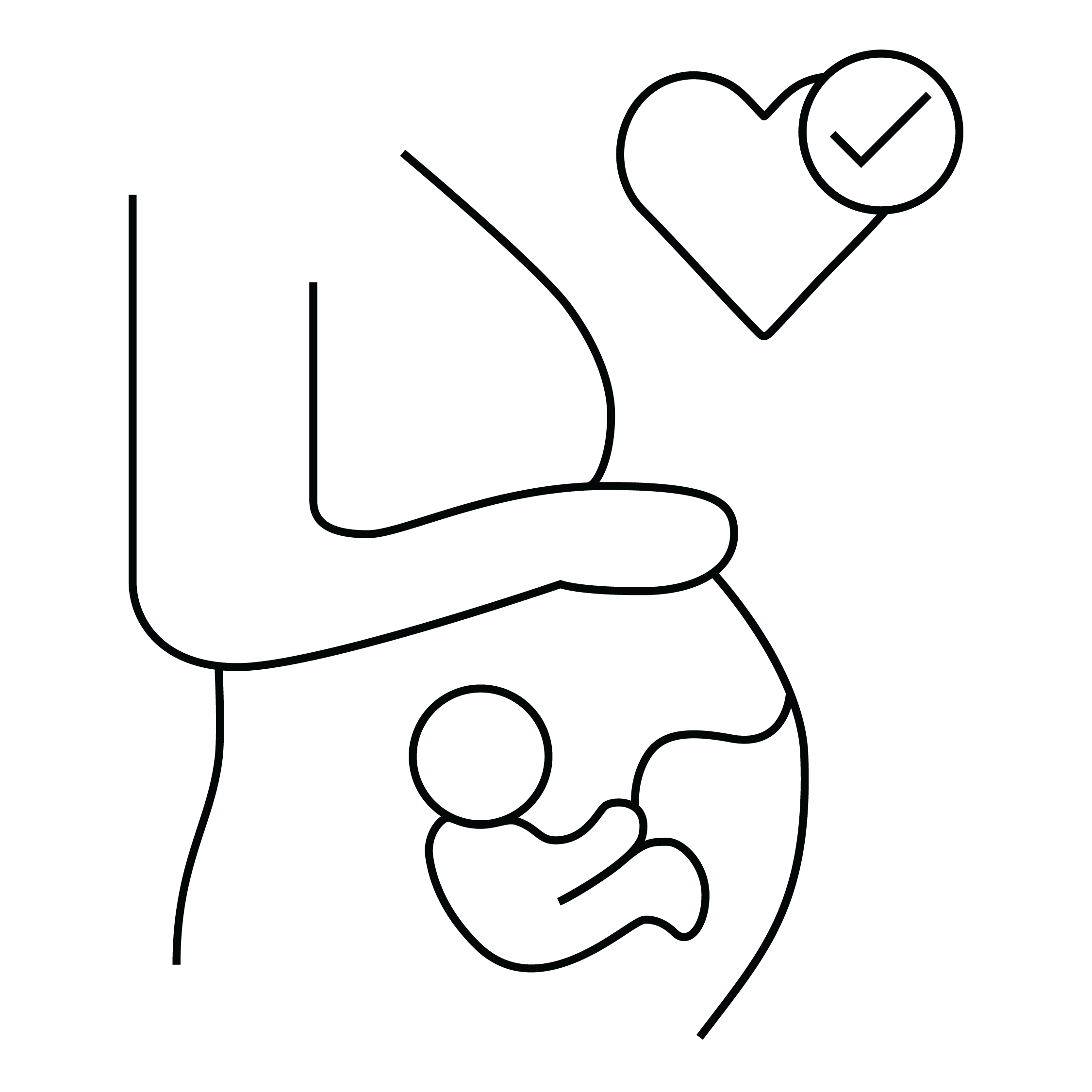
Donation begins with a healthy mother who meets rigorous screening standards before cells are accepted.
The cord is collected at birth—a pristine biological source gathered without harm to mom or baby.
Cells are isolated in an ISO cleanroom using advanced preservation technology designed to protect viability.
Each lot is reviewed through 3rd party testing for safety, sterility, infectious disease screening, genetic screening, and viability.
Documented handling creates a clear chain from source to lab to clinical transfer. All cells are traceable back to the mother.
Overview
Stem cells are the body’s master cells, with a unique ability to deliver signals that support repair, renewal and regeneration. When tissue is injured, inflamed or degenerating, they can sense signals from the surrounding environment and respond by communicating with immune cells and nearby tissue.
Through growth factors and other biological signals, stem cells deliver signals that help regulate inflammation, support the immune response and create an environment that encourages healing and repair. Rather than focusing only on symptoms, stem cell therapy delivers signals at the cellular level — supporting the biological processes the body already uses to recover and regenerate.
Stem cells release biological signals that help regulate inflammatory activity so it does not remain overly active longer than needed. By helping calm excessive inflammation, they can create a more favorable environment for healing and repair.
Stem cells interact through a process called immune modulation. Rather than simply turning the immune system on or off, these signals help regulate the intensity of the immune response — calming it when it becomes overactive while still allowing the body to respond appropriately.
Stem cells release growth factors and other biological signals that support cell survival, tissue repair, new blood-vessel formation, and the rebuilding and remodeling of damaged tissue. Together, these processes help support the body’s natural ability to repair and regenerate.
A deeper look
Stem cells do more than simply replace damaged cells. A major part of their role is communication. They can sense signals from injured, stressed or inflamed tissue and respond by releasing biological messages that influence nearby cells and help support repair.
The messaging system
Stem cells naturally release tiny message packets called extracellular vesicles. Exosomes are commonly discussed within this family of cell-derived messengers. These packets carry cytokines, growth factors and proteins from one cell to another. In simple terms, stem cells are the responsive cells, while exosomes are part of their messaging system.
Recovery depends on communication between tissue cells, immune cells, blood vessels and the surrounding environment. Stem cells participate in this biological conversation, helping coordinate processes involved in repair — processes the body already uses, including cell communication, immune signaling, vascular signaling and tissue remodeling.
These services are complementary and are not intended to diagnose, treat, cure or prevent disease. They do not replace medical evaluation, prescribed treatment or follow-up care. Individual results vary. Please discuss all therapies, medications and medical conditions with your qualified healthcare provider.
A member of our clinical team is glad to walk you through it.
Note: FDA registration of a source laboratory pertains to facility and manufacturing standards. It does not constitute FDA approval of stem cell products for the diagnosis, treatment, cure, or prevention of any disease.
THIS NOTICE MUST BE PROVIDED TO YOU UNDER UTAH LAW. This health care practitioner performs one or more stem cell therapies that have not yet been approved by the United States Food and Drug Administration. You are encouraged to consult with your primary care provider before undergoing a stem cell therapy.